
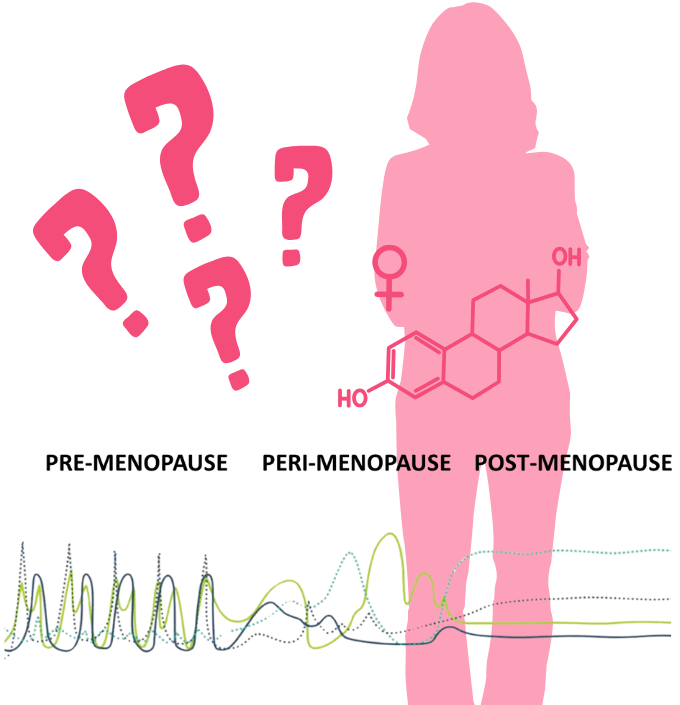
Being a woman in midlife comes with its own special blend of magic and mystery. You’re wiser, more confident, and hopefully caring less about what others think. But along with the empowerment often comes some surprising shifts. If you’ve noticed your weight increasing, moods swings, or sleep getting harder, it’s not all in your head. Your hormones are major players in how you feel, function, and how your body holds or releases weight.
Hormones are messengers that help your body respond to the world around you. They regulate everything from blood sugar to sleep, appetite, and mood. But they don’t work in isolation, they are responding to your environment. The body is a dynamic system that continuously adapts to the world around it to maintain a state of balance (homeostasis). Everything you eat, think, and do sends a message to your body about the world you’re living in. Based on those messages, your body adjusts things like your metabolism, hunger signals, and hormone levels to help you survive and stay in balance.
These messages are things like:
- The foods you eat
- The level of stress you’re under
- How much sleep, movement, and sunlight you get
- How safe or threatened your nervous system feels
If your world is full of stress, poor nutrition, and disconnection, your hormones will shift to help you survive that environment (turning down metabolism for example). But if you begin to nourish yourself with better food, rest, movement, and emotional support, your hormones can shift toward helping you thrive.
The main key hormones that affect your weight and well-being are: cortisol, insulin, estrogen, progesterone, and testosterone. As we enter our 40s and 50s, our hormonal landscape starts to change. This shifts can mean a slower metabolism, more belly fat, mood changes, and bone loss. But hormonal changes doesn’t mean you’re doomed, understanding what’s happening and how to work with your body instead of against it can make a world of difference.
Cortisol: The Stress Hormone
Cortisol is actually essential for survival. Your body needs some stress to keep you challenged, strong and moving forward. It helps you wake up, respond to danger, and regulate inflammation. However, when the stress is unrelenting and cortisol is kept high for too long, your body doesn’t get a chance to return to normal function. That’s when you get things like chronic inflammation, insulin resistance, carbohydrate cravings, and fat starts to accumulate around your middle.
Signs of imbalance:
- Belly fat that doesn’t go away
- Poor sleep or waking at 3 a.m.
- Feeling tired but wired
- Cravings for sugar or salty snacks
Balancing tips:
- Prioritize sleep, aiming for 7–9 hours in a cool, dark room.
- Develop a relaxation practice, like yoga, deep breathing, or meditation to activate your parasympathetic nervous system (so that you CAN sleep!)
- Cut back on caffeine and alcohol, which can spike cortisol.
- Practice stress-relieving habits like movement and journaling
- Try adaptogens like ashwagandha or rhodiola (talk to your provider first).
Insulin: The Gatekeeper of Fat Storage
The job of insulin is to shuttle glucose (sugar) from your bloodstream into your cells. When you eat, especially carbs or sugar, insulin spikes signaling the cells to take in glucose. The trouble happens when when insulin stays high (for years). Eventually your cells stop responding well, called insulin resistance. Your body pumps out more insulin, which works for a while… until it doesn’t. And when your body stops responding to insulin, the sugar stays in your blood causing damage. That extra sugar is also packaged and stored in the liver and fat cells to be stored as body fat.
Signs of imbalance:
- Sugar crashes and cravings
- Fatigue after eating
- Weight gain, especially around the midsection
- Skin tags or dark patches of skin (often on the neck)
Balancing tips:
- Focus on protein and fiber at every meal.
- Avoid ultra-processed foods and added sugars.
- Try time-restricted eating (with 14 hours or more of not eating).
- Move your body after meals (go for a walk or 10 squats), this helps your cells respond to insulin.
Estrogen: Much More Than Reproduction
Estrogen plays a role in metabolism, mood, sex, and bone. In perimenopause estrogen can fluctuate wildly, and then drops after menopause. These changes can lead to weight gain, especially in the belly, as well as brain fog, mood swings, vaginal dryness, and a drop in bone density.
Signs of imbalance:
- Irregular or heavy periods (perimenopause)
- Hot flashes and night sweats
- Weight gain around hips and thighs (then shifts to belly)
- Mood swings or memory blips
Balancing tips:
- Eat phytoestrogens (plant estrogens) from flaxseeds and organic soy. These foods as a weak estrogens, helping decrease some of the symptoms of menopause. Research studies showed ½ cup cooked whole soybeans daily reduced hot flashes 84-88% within 12 weeks. Soy isoflavones have also been shown to improve bone, memory, depression and vaginal dryness
- Avoid endocrine disruptors like BPA and phthalates (commonly found in plastics).
- Consider HRT (hormone replacement therapy) if appropriate
- Support bone with calcium, vitamin D and vitamin K
Progesterone: The Calming Counterbalance
Progesterone works alongside estrogen, balancing the stimulating effects. It helps lower anxiety and with sleep. During perimenopause it drops, often faster than estrogen, which can lead to estrogen dominance (and feelings of anxiety). During menopause both estrogen and progesterone drop, which evens out some of these feelings.
Signs of imbalance:
- Trouble falling or staying asleep
- Anxiety or irritability
- Spotting between periods
- Breast tenderness
Balancing tips:
- Progesterone thrives when your stress is low (cortisol steals resources from progesterone), so habits that help you manage stress are key. This means Daily calming practices like meditation, yoga, or EFT tapping, boundaries on screen time, and prioritizing play and connection.
- Support progesterone production with magnesium-rich foods like leafy greens and pumpkin seeds (or supplements).
- Emphasize protein and fat (hormonal building blocks) and limit refined carbs (because blood sugar spikes and crashes stress the body)
- Consider bioidentical progesterone (under professional guidance).
Testosterone: Not Just For “Men”
While testosterone is usually thought of as a “male” hormone, it is crucial for women too. It supports muscle mass, motivation, libido, and even mood. Levels naturally decline with age, and too little can lead to fatigue, low drive, and difficulty maintaining muscle (which affects metabolism).
Signs of imbalance:
- Low libido
- Fatigue and lack of motivation
- Muscle loss or weakness
- Weight gain despite working out
Balancing tips:
- Strength training helps preserve and boost testosterone, and prioritize rest and recovery afterwards (to avoid levels dropping)
- Adequate vitamin D has been shown to support healthy testosterone levels; supplement with 4,000 IU daily and have your doctor test your serum levels
- Eat protein and healthy fats (hormone building blocks)
- Talk to a health practitioner about supplements
So What Does This All Mean?
Your hormones aren’t out to destroy you, they’re messengers trying to tell you something. The more you listen, the more empowered you become. Midlife doesn’t have to mean weight gain, exhaustion, or feeling awful. With the right support, it can be your most vibrant, juicy chapter yet.
Daily Practices:
- Eat balanced meals with protein, fiber, and healthy fats
- Prioritize quality sleep (dark room, cool temp, no screens before bed)
- Move daily, with a mix of strength, walking/jogging, and gentle stretching
- Manage stress with movement, journaling, time in nature, or whatever else you like to do
- Limit alcohol and sugar, which mess with multiple hormones
- Visit a qualified provider to check and supplement hormone levels as recommended
References
- Tessier AJ, Wang F, Korat AA, Eliassen AH, Chavarro J, Grodstein F, Li J, Liang L, Willett WC, Sun Q, Stampfer MJ, Hu FB, Guasch-Ferré M. Optimal dietary patterns for healthy aging. Nat Med. 2025 Mar 24.
- Woods NF, Mitchell ES, Smith-Dijulio K. Cortisol levels during the menopausal transition and early postmenopause: observations from the Seattle Midlife Women’s Health Study. Menopause. 2009 Jul-Aug;16(4):708-18.
- Barnard N, Kahleova H, Holtz D, et al. The Women’s Study for the Alleviation of Vasomotor Symptoms (WAVS): a randomized, controlled trial of a plant-based diet and whole soybeans for postmenopausal women. Menopause 28(10):p 1150-1156, October 2021.
- Barnard ND, Kahleova H, Holtz DN, Znayenko-Miller T, Sutton M, Holubkov R, Zhao X, Galandi S, Setchell KDR. A dietary intervention for vasomotor symptoms of menopause: a randomized, controlled trial. Menopause. 2023 Jan 1;30(1):80-87.
- Lambert MNT, Hu LM, Jeppesen PB. A systematic review and meta-analysis of the effects of isoflavone formulations against estrogen-deficient bone resorption in peri- and postmenopausal women. Am J Clin Nutr. 2017 Sep;106(3):801-811.
- Cheng PF, Chen JJ, Zhou XY, Ren YF, Huang W, Zhou JJ, Xie P. Do soy isoflavones improve cognitive function in postmenopausal women? A meta-analysis. Menopause. 2015 Feb;22(2):198-206.
- Su BY, Tung TH, Chien WH. Effects of Phytoestrogens on Depressive Symptoms in Climacteric Women: A Meta-Analysis of Randomized Controlled Trials. J Altern Complement Med. 2018 Aug;24(8):850-851.
- Carmignani LO, Pedro AO, Costa-Paiva LH, Pinto-Neto AM. The effect of dietary soy supplementation compared to estrogen and placebo on menopausal symptoms: a randomized controlled trial. Maturitas. 2010 Nov;67(3):262-9. doi: 10.1016/j.maturitas.2010.07.007. Epub 2010 Sep 15. PMID: 20833488.
- Yilmaz, B., Terekeci, H., Sandal, S., et al. Endocrine disrupting chemicals: Exposure, effects on human health, mechanism of action, models for testing and strategies for prevention. Rev. Endocr. Metab. Disord. 21(1), 127-147 (2020).
- Di Daniele N, Carbonelli MG, Candeloro N, Iacopino L, De Lorenzo A, Andreoli A. Effect of supplementation of calcium and vitamin D on bone mineral density and bone mineral content in peri- and post-menopause women; a double-blind, randomized, controlled trial. Pharmacol Res. 2004 Dec;50(6):637-41.
- Pilz S, Frisch S, Koertke H, Kuhn J, Dreier J, Obermayer-Pietsch B, Wehr E, Zittermann A. Effect of vitamin D supplementation on testosterone levels in men. Horm Metab Res. 2011 Mar;43(3):223-5.
- Kelgane SB, Salve J, Sampara P, Debnath K. Efficacy and Tolerability of Ashwagandha Root Extract in the Elderly for Improvement of General Well-being and Sleep: A Prospective, Randomized, Double-blind, Placebo-controlled Study. Cureus. 2020 Feb 23;12(2):e7083.
 Vibrant Juicy Life Blog