
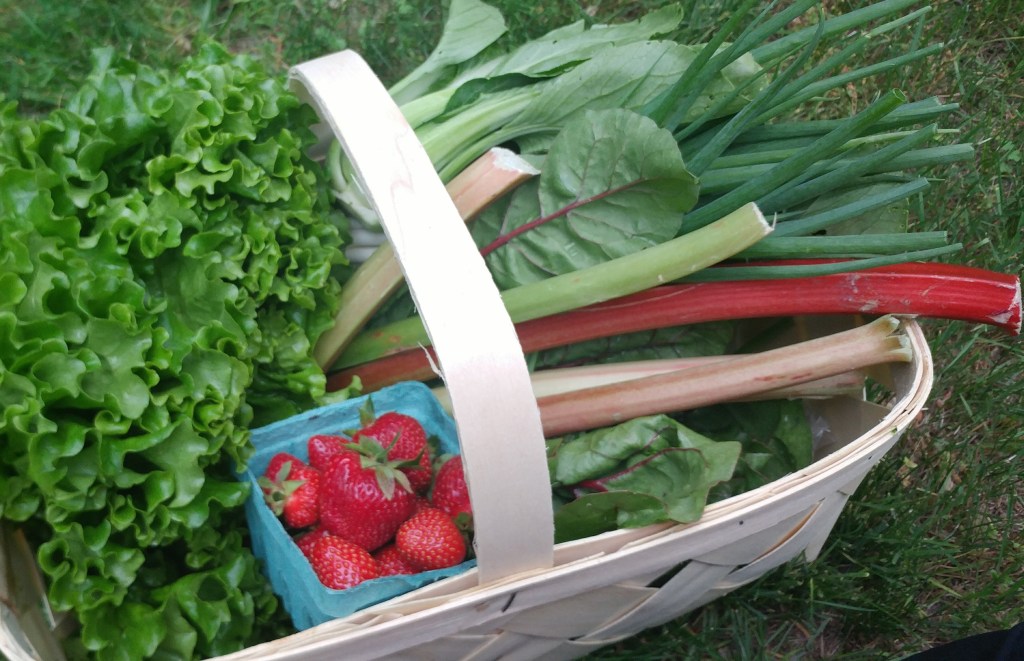
It was a common refrain throughout my training as a dietitian that we can get everything we need from food. This is likely no longer the case. Modern crops are lower in nutrients than they were 100 years ago. Changes in farming methods, crop variety, how we transport and store foods, and even the environment have each contributed to these declines, and no one is sure how this is affecting our health.
Comparison studies between 1940 and 2019 show that the nutrients in our foods have significantly declined in a range of vegetables, fruits, meats, and dairy products:
- 6% decrease in protein
- 38% decrease in riboflavin (vitamin B2)
- 15% decrease in ascorbic acid (vitamin C)
- 10-19% decrease in magnesium
- 16-29% decrease in calcium
- 15% decrease in potassium
- 15-50% decrease in iron
- 49-62% decrease in copper
- 27-59% decrease in zinc
These nutrients are essential to how our bodies function. They act as vital building blocks and cofactors for hundreds of different enzymes, playing critical roles in cell-to-cell communication, energy utilization, cognitive function, and musculoskeletal health. Differences in the amounts of these nutrients could alter the ratios and safeguards that the body uses to control levels and/or functionality. When first discovered, skeptics thought they were just measurement errors, but it is slowly being uncovered that changes in the past 100 years have dramatically affected the food supply:
Different Farming Methods
The 1950’s brought wide-spread changes to farming methodology, including altered farming methods, crop varieties, harvest timing and storage techniques. It is around this time that farmers began to replace costly and time-consuming fertilization practices involving manure and decomposition from bacteria and fungi with the simpler combination of nitrogen, phosphate and potassium. Experimentation had shown that plants continued to thrive with just these nutrients. However, this method does not offer the full array of trace minerals used by the plants. While some of these minerals are needed in very small amounts, soil can become depleted over time leading to nutrient declines in our food supply.
Targeted fertilization also impacts absorption of other nutrients. Many plants have a complex dynamic around the uptake of minerals, and high levels of one nutrient limit the absorption of others. Some nutrients, like calcium and magnesium, are already absorbed more slowly making them at particular risk. High levels of nitrogen also increase the plants attractiveness to insects, and therefore result in an increased need for pesticides.
Modern farming and fertilization practices are also damaging to the soil ecology, the complex array of living organisms in the soil that help break down nutrients and make them bioavailable for plants and humans. Plants depend on the organic matter created by bacteria and other microorganisms as part of the natural decomposition process. Chemical fertilizers, pesticides, and excessive tilling all damage this ecosystem. Lower levels of beneficial soil organisms result in less nutrient availability in the soil for plant uptake, altered soil pH leading to decreased breakdown of toxins and pesticides in the soil, and lower plant resistance to pathogens.
Different Crop Varieties
Modern crops have been bred for pest resistance, harvest timing, plant architecture, yield, shelf-stability, processing traits and consumer preference. In order to maximize profit, the crops must produce well, be pleasing to the consumer and resistant to damage, however the nutrients within the food are rarely considered.
Compared with wild fruits and vegetables, most of our modern man-made varieties are higher in sugar, and lower in fiber, vitamins, minerals, phytonutrients, and essential fatty acids. Consumers have a natural preference for sweet fruits and vegetables, and phytonutrients are typically bitter. Plants with lower levels of phytonutrients generally also have lower levels of other nutrients. For example, modern sweet corn is higher in starch and sugar and lower in protein and beta-carotene than native sweet corn.
Farmers make their money by producing more crops, and therefore try to maximize crop yield. Unfortunately, high yield does not translate to higher nutrient levels. For example, the “Marathon” broccoli variety is now generally considered to be the industry standard due to its high yield. Unfortunately, it also has the lowest levels of calcium and magnesium. Similarly, in a comparison of modern and historical wheat varieties, increased yield was associated with decreases for all minerals except calcium.
Different Harvesting and Storage Methods
I have fond memories of picking raspberries with my grandparents in their backyard. The smell of the sun-ripened berries and the sweet-sour tang of the raspberries themselves. If you have ever tasted a raspberry from the grocery store, it does not come close to the taste of a fresh-picked ripe berry. Modern farming often requires that fruits and vegetables are harvested before ripening so they can be stored and transported to stores with as little damage as possible. But crops that are harvested early generally have lower levels of fiber, vitamins, and phytonutrients. Furthermore, once harvested, the crops lose nutrients quickly. Vitamin C is easily destroyed and therefore often used as a marker of overall nutrient loss. In tomatoes, delays of just 24 hours between harvest and processing resulted in 12% loss of vitamin C. Kale held at room temperature for 2 days lost 20% of its vitamin C content. The vitamin C in apples, typically harvested and stored for months before they appear in stores, was found to decrease by an average of 80% in three months. Our modern food supply is grown and shipped to us from all over the world. While this allows us to eat a tomato in any season, it does not consider the nutrition our bodies need.
Environmental conditions
Atmospheric and environmental changes have also altered plant composition. Increased level of CO2 in the atmosphere due to pollution decreases the potassium, magnesium and protein content of plants. Acidity from air pollution and acid rain decreases the nutrient availability of minerals in the soil, and therefore the amount plants take in. Higher levels of heavy metals in the soil compete with other beneficial minerals for absorption, lowering the levels of minerals in the plants.
So how can you ensure optimal nutrition?
Eat a variety of brightly colored fruits and vegetables
Brightly colored fruits and vegetables, including dark green and dark purple, contain the highest amounts of phytonutrients. By eating a variety, you are ensuring more balanced nutrition since different foods are higher in different nutrients.
Support local farmers using sustainable methods
Sourcing local foods generally means fresher foods, and therefore higher levels of nutrients. Look for farmer’s markets, community-supported agriculture (CSA’s), or even try growing your own. This will likely mean more seasonal foods, which is another win. The foods will taste better and you will get excited as each season brings its own special crops.
Supplement
While a healthy diet is first and foremost, supplementation can help provide a little more of the nutrients that are declining in our food. Surveys show low intake levels of vitamins A, C and E, as well as magnesium, iron, and zinc for a significant percentage of Americans. While the levels are not likely to land you in the hospital with scurvy, some researchers suggest that low-level nutrient deficiencies may be behind many of the chronic diseases that plague our country. Multivitamins should not be used to compensate for poor eating habits, but instead are an inexpensive way to fill these known nutrient gaps.
References
- Davis D, Epp M, Riordan H. Changes in USDA Food Composition Data for 43 Garden Crops, 1950 to 1999. Journal of the American College of Nutritrion. 2004. 23 (6): 669-682.
- Mayer AM. Historical changes in the mineral content of fruits and vegetables. Brititsh Food Journal. 1997. 99(6): 207-211.
- Thomas D. A study on the mineral depletion of the foods available to us as a nation over the period 1940 to 1991. Nutr Health. 2003;17(2):85-115.
- Mayer AMB, Trenchard L, Rayns F. Historical changes in the mineral content of fruit and vegetables in the UK from 1940 to 2019: a concern for human nutrition and agriculture. Int J Food Sci Nutr. 2022 May;73(3):315-326.
- Kenneth CB. The mineral composition of crops, with particular reference to the soil on which they we’re grown. U.S.D.A. Misc. Pub, No. 369. 1941.
- Lucas RE, Scarseth GD. Potassium, calcium. and magnesium balance and reciprocal relationships in plants. Jour Amer Soc Agron, 39: 887-897. 1947.
- Annals of Dentistry. Albrecht, WA. “Our Teeth and Our Soils.” Number 6, 1947.
- Nightingale GT. The nitrogen nutrition of green plants. 11. Bot. Rev., 14: 185-221. 1948.
- Tisdale S and Nelson W: Soil Fertility and Fertilizers. The Macmillan Co., 1956.
- Hashmi MZ, et al. Xenobiotics in the Soil Environment, Soil Biology 49. Chapter 11: Agrochemicals and Soil Microbes: Interaction for Soil Health. Pg 139-151
- Robinson, Jo. Eating on the Wild Side: The Missing Link to Optimum Health. New York. Little, Brown and Company, June 2013.
- Bear FE. Variations in vegetable mineral content. Soil Science Society of America Journal. Sept-Oct 1991. 55(5).
- Kreutzmann S, et al. Investigation of bitterness in carrots (Daucus carota L.) based on quantitative chemical and sensory analyses. Food Science and Technology. March 2008. 41(2): 193-205.
- SA Flint-Garcia, AL Bodnar, MP Scott. Wide variability in kernel composition, seed characteristics,and zein profiles among diverse maize inbreds, landraces, and teosinte. Theoretical and Applied Genetics. 2009. 119: 1129–1142.
- Farnham MW. Calcium and Magnesium Concentration of Inbred and Hybrid Broccoli Heads. J Amer Soc Hort Sci. 2000. 125(3):344-349.
- Murphy KM, Reeves PG, James SS. Relationship between yield and mineral nutrient concentrations in historical and modern spring wheat cultivars. Euphytica. 2008. 163: 381-390.
- Molyneux SL, Lister CE, Savage GP. An investigation of the antioxidant properties and colour of glasshouse grown tomatoes. Int J Food Sci Nutr. 2004 Nov;55(7):537-45.
- Punna R, Rao Paruchuri U. Effect of maturity and processing on total, insoluble and soluble dietary fiber contents of Indian green leafy vegetables. Int J Food Sci Nutr. 2004 Nov;55(7):561-7.
- Marín A, Ferreres F, Tomás-Barberán FA, Gil MI. Characterization and quantitation of antioxidant constituents of sweet pepper (Capsicum annuum L.). J Agric Food Chem. 2004 Jun 16;52(12):3861-9.
- Taub DR, Miller B, Allen H. Effects of elevated CO2 on the protein concentration of food crops: a meta-analysis. Glob Change Bio.14(3):565-75.
- Ah-Young Kim, Ju-Yong Kim, Myoung-Soo Ko & Kyoung-Woong Kim (2010) Acid Rain Impact on Phytoavailability of Heavy Metals in Soils, Geosystem Engineering, 13:4, 133-138.
- Lamhamdi M, et al. Effect of lead stress on mineral content and growth of wheat (Triticum aestivum) and spinach (Spinacia oleracea) seedlings. Saudi J Biol Sci. 2013 Jan; 20(1): 29–36.
- Ames BN. Low micronutrient intake may accelerate the degenerative diseases of aging through allocation of scarce micronutrients by triage. 2006; Proc Natl Acad Sci USA, 103 (47),17589-17594.
 Vibrant Juicy Life Blog